Showing posts with label gardening. Show all posts

Monday, March 04, 2019

More Than One Million Strong: National Pollinator Garden Network Surpasses Goal of One Million Registered Pollinator Gardens


In just three years, 1,040,000 gardens were registered with the Million Pollinator Garden Challenge (MPGC) involving an estimated eight million people, concentrated in the United States, and Canada with some in Mexico, and across the globe. From tiny yards to public gardens, the million plus gardens add up to a network of approximately five million acres of enhanced or new pollinator habitat.

Pollinator Gardening Hot Spots, where high percentages of the local population registered gardens, include: the desert southwest, Santa Fe, New Mexico, Prescott and Flagstaff, and the Phoenix-Mesa-Scottsdale, Arizona metro area. The Smoky Mountain region, which straddles North Carolina and Tennessee, contributed over 35,000 gardens.  These areas, along with St. Louis, Missouri and others also support high bee density and diversity. Research indicates that the impact of these small-scale pollinator gardens has added significant support to pollinator abundance and diversity.
Metro areas with the highest number of registered gardens include Atlanta, Chicago, Miami-Ft. Lauderdale, Philadelphia-Camden, Washington DC, and New York City.
Launched in June 2015 by the National Pollinator Garden Network (NPGN), the goal of the MPGC was to create networks of gardens to help save pollinators, which are responsible for 1 out of 3 food bites we take each day. Together, through collaborative conservation we are restoring pollinator populations that provide the foundation of our ecosystems and our food supply.” said, Collin O’Mara, President and CEO of National Wildlife Federation. “When we save wildlife, we save ourselves”.

With 40% of all invertebrate pollinator species – particularly bees and butterflies –at risk of extinction (National Research Council, 2007), NPGN responded as the largest pollinator conservation effort to engage the horticultural and voluntary sectors in a major role —offering a hands-on way for citizens to restore and enhance pollinator habitat.  

Co-founding organizations: National Wildlife Federation; Pollinator Partnership; American Public Gardens Association; AmericanHort; National Gardening Association; American Seed Trade Association; National Gardening Bureau; and KidsGardening.org, led the doubling of the NPGN to over 50 conservation, garden trade, garden club, and voluntary civic and federal partners. 

Nancy L. Hargroves, president, National Garden Clubs, Inc. inaugural NPGN member, stated, “Our 5000 clubs in almost every state are proud to collaborate with the NPGN. The significant increased awareness and action for pollinators was not limited to any one project, but combined, has a greater total impact on the world.”

“Our collective efforts have accomplished great things for bees, butterflies, and other pollinator species that play a critical role in our natural world,” says Val Dolcini, president of the Pollinator Partnership. “From enhancing our food supply to increasing the biodiversity of our environment, these hard-working pollinators need to be protected at all costs. By protecting their lives, we’re preserving ours.”

An impact report, released today, indicates the MPGC led to a shift in consumer awareness, and wider actions such as pro-pollinator pledges, proclamations and policies. Since the campaign launch, 92 percent of garden centers have seen an increase in demand for pollinator-friendly plants and services and 86 percent are offering more pollinator-friendly plants, services, and education. Craig Regelbrugge, senior vice president of AmericanHort, applauds these efforts. “Leaders in horticulture have stepped up to meet consumer demand for pollinator friendly plants and to provide the necessary education about sustainable methods that support habitat.”

Moving Forward
The 2019 call to action is designed to build on the momentum of Challenge in two ways
  1. Expanding garden habitat by asking Americans to plant at least three different pollinator-friendly plants that bloom in three different seasons (spring, summer and fall) to help ensure a consistent food supply for pollinators. The MPGC map will stay open for new registrations, and plant/garden descriptions.
  2. Track the outcomes of this movement, by encouraging everyone to participate in citizen science projects that help pollinators at https://www.scistarter.org/pollinatorgardens.

“The passion for pollinators is clearly evident. Let’s pass it on and encourage the 35 million Americans who garden with flowers, to each put in one new pollinator friendly plant per season each year. Imagine the transformation!” says Mary Phillips, National Wildlife Federation, NPGN coordinator.

Friday, January 19, 2018

3 Free Apps To Help You Enhance Your Garden Skills

Guest post by Wendy Dessler
They say that some people are just born with a green thumb. These are folks who can grow anything, anywhere. Then there are the rest of us.

If you want to have a beautiful flower garden, plant fall veggies, or grow an herb garden, you can. The following apps make it easy. These apps will tell you what to do, or more importantly, what not to do for a successful crop.

The first thing you need is a professional supplier. The seed shop you choose is very important. You want pros that know what they are doing and seeds that are hearty. You will need to build a relationship with your seed store because you will return again and again as the seasons and the planting needs change.

They will need information in order to help you. Be ready to answer these questions.
  • Do you want flowers that bloom late in the year and come back next year, or do you want plants that produce all year?
  • Is your garden going to be inside or outdoors?
  • How much space you have to work with.
  • What plants grow well together and which will not get along?
Once you have determined where your garden will be and what materials you need to gather, you are ready to begin.

There are tons of free apps online for the new and the experienced gardeners. These apps walk you through every step, making your project fail proof. You can try them one at a time and then select the one that works the best for your life.

The top 3 apps (in my humble opinion)

Gardening Know How

This app is the mac daddy of all gardeners apps. If you need to know something, it is in there. Regardless of your gardening skill level, this app will take you from planting to harvest. Get tips on everything from soil to pests control. If you have a question, chances are, they have the answer.

Garden Squared

This free app has it all. It has step-by-step instructions on how to plant just about anything. If you don’t know what it is, the app can help you identify it. It has a place for you to add notes and it can remind you when something is going to need something. Garden Squared is available at Google Play.

Forest

You can do everything right when you plant, but if you do not care for your plants properly they will not thrive. That is where this app comes into play.

This free app help keeps you on target. It reminds you of the needs of your plants are. Luckily, plants are pretty resilient, but they still need to be cared for and this app will help. As a matter of fact, it may help with other duties too. 
So, now you are ready to start your garden. There are always answers to your questions in the groups and from planting to blooms and even how to deal with pests. Be brave, you can do this. Everything you need is at your fingertips. If you make a mistake, nature is pretty kind and you will recover.

Monday, August 07, 2017

Gardening Tips: 5 Safety Tips and Techniques for Senior Gardeners

Older adults need regular physical activity to maintain their mobility and health. According to the Centers for Disease Control and Prevention, seniors need at least two hours and 30 minutes of moderate-intensity aerobic activity every week combined with muscle-strengthening activities on two or more days a week. 

Gardening is a great way to meet the minimum required physical activity for older adults as it not only keeps seniors moving, but it also contributes to maintaining muscle strength. While it’s important to encourage your elderly loved one’s gardening hobby, it's also crucial that they should ensure their safety while out in the yard.

Benefits of gardening for seniors
Gardening brings a wealth of physical, mental, and emotional health benefits for the elderly. It’s a great physical activity that can improve your flexibility and mobility. Moreover, research shows that physical and visual access to nature helps people recover from illness quicker, lowers blood pressure, and reduces stress. While it improves hand strength, gardening can also improve a senior’s self-esteem.

You can get a sense of satisfaction from watching your plants flourish, as well as a feeling of accomplishment. Gardening also enables seniors to become more social, especially if they tend to their plants with a relative or a few friends. However, it’s important to keep yourself out of harm’s way while enjoying this pastime. It’s important to take some active steps to keep seniors safe while gardening, and following these tips will enhance your gardening experience while protecting you from minor and major injuries.

Paint garden tool handles with a bright color
The bright color will make it easier for senior gardeners to easily locate tools. Try painting trowel handles, hand forks, secateurs, shovels, and the like with hot pink, cherry red, or bright yellow paint to make them stand out among the greens. Make it a point to protect your back by using a wagon with large wheels instead of a wheelbarrow to carry and transfer plants and tools.

Dress to protect yourself
Protecting your skin from the sun, insect bites, and chemicals is important when you’re gardening. Wear a wide-brimmed hat to protect your face from the sun, and wear a long-sleeved shirt and long pants to protect yourself from insect bites. It’s also important to wear gardening gloves if you’re handling chemicals while gardening. To protect yourself even further, use insect repellent containing DEET to keep mosquitoes and ticks away, and slather on sunscreen with an SPF of 30 or higher to protect your skin from harmful UV rays.

Drink plenty of water
Gardening can make seniors extremely thirsty, so drinking water while doing this activity is crucial to avoid dehydration. Avoid drinking caffeinated beverages such as coffee or tea while gardening, as these can dehydrate you even more. Instead, keep a bottle of water within easy reach and take frequent sips while gardening.

Garden early in the morning
It can be extremely hot between 10 a.m. and 2 p.m., so seniors should make it a point to garden early morning or late in the afternoon.

Pace yourself and take frequent breaks
Once you begin working in your yard, change your position every 20 minutes and take frequent breaks. This way, you won’t overexert yourself while gardening, and you can go back to working in your yard the next day.

Seniors should follow these tips to keep safe while gardening. Not only will you protect yourself from harm, but following these techniques will make gardening more enjoyable and fulfilling in the long run.

Wednesday, April 01, 2015

2016 Garden Trends Report: Sneak Peek!

For the first time in the company’s history, Garden Media is offering a sneak peek into its 2016 trend research. Below are a few of the trends on the company’s radar for 2016.

Urine Luck! "Peecycling:" the Next Trend in Sustainability
You’ve heard of recycling, and even upcycling, but there’s a new cycle in town. "Pee-cycling" is the gateway to truly living a sustainable lifestyle. This sterile human waste can be converted into a valuable fertilizer. And 2016 is the year it will happen in the U.S.

The stuff that makes up plant food: nitrogen, phosphorous, and potassium, are all secreted in the average person’s urine. Budget-conscious consumers know that they don’t need to pay top dollar for fertilizer when they can just make it themselves. Plus, since it’s usually sterile, using it as plant food is generally safe: Even the World Health Organization has guidelines for reusing urine in agriculture.

Several wastewater treatment plants in the U.S. have been making and donating biosolids to farmers for years. But the practice has been considered controversial up until now.

Although this trend is just starting to become mainstream (some might still consider it midstream) in the U.S., according to National Geographic, "peecyling" can be documented back to 1867 and is a mainstream notion elsewhere in the world. Nepalese studies have tracked the efficacy of using urine to fertilize sweet peppers and Amsterdam's water facility held public demonstrations to encourage men to use public urinals to collect their urine for use in rooftop gardens. 
 
So think about how you can incorporate pee-cycling into your daily activities, and how can your business capitalize on this upcoming trend.

There's no such thing as waste, only waste of resources.

It All Tastes Like Chicken. We Swear.
In an effort to return back to nature and cut back on carbon footprints, edible pets are on the rise.
Today’s homesteaders and DIYers, proud backyard chicken and goat farmers, have added other high protein animals to their farmettes. From bunnies and ducks to guinea pigs and snakes, these animals are plenty of fun while they’re alive and tasty when they’re on the dinner table. 

“The idea of the good life is rapidly changing,” says Suzanne McCoy president of Garden Media. “People are not only concerned about what they’re putting in their gardens, but also about what’s on their plates. They’re taking charge of the entire food chain — even using organic animal droppings to fertilize their gardens.” 

With most millennials just being dirt poor, raising and eating pets enables this generation to save on groceries and still feel like they’re splurging on the organic food they crave. The added responsibility of taking care of live animals is a bonus for this generation that’s tired of playing Farmville on their smartphones. 

“There used to be this stigma attached to eating your pets,” says millennial Latie Dubow. “But no one cares about that anymore. I’m more concerned about where the food I’m feeding my baby is coming from and there’s no better place than from my backyard. Since you can put practically anything in a stew, we’re raising goats, fish and even some smaller creatures so my daughter can grow up playing and eating all kinds.” 

Garden companies can capitalize on this new lifestyle by offering organic pet foods and hosting pot luck events. 

Stay tuned in 2016 for our full complement of garden trends.

Friday, January 09, 2015

Celebrate Houseplant Appreciation Day with these 5 tips from Costa Farms!


Celebrate Houseplant Appreciation Day with Costa Farms on January 10th by recognizing all of the amazing benefits houseplants provide. They’re decorative, boost well-being and purify indoor air.

“Now that the holidays are over, it’s time to show your houseplants a little TLC,” says Justin Hancock, garden expert at Costa Farms. “Thank a plant today for bringing beauty into your home and office, making you feel good and naturally cleansing the very air you breathe inside.”

Here are 5 simple tips to celebrate the day:

Friday, August 23, 2013

GMG's Friday Find: Hydroponic goes High-Tech!

Hydroponics is a method of growing plants using a nutrient-rich solution instead of soil. There are many advantages to growing hydroponically--no soil is needed, water and nutrition levels are controlled and plants grow healthier. Bitponics, a new high-tech hydroponic system, helps even the brown thumb be successful with indoor gardening.

A Brooklyn start-up, Bitponics takes gardening into the digital age with a device that lets you manage your plants, produce and flowers from the web. It is made up of two parts: a sensor and an online account. The sensor, connected to the device, collects readings on water and air temperature, humidity, brightness and pH, and is compatible with already existing hydroponic systems.

The online account is where you plug in your information on what you're growing and what system you're using. This generates a growing plan which is a road map for taking care of  your plants. You then receive tailored information on how many hours of light your plant needs, when to change the lighting schedule (as in the flowering stage), what pH range is safe for your plants, when to replace your nutrient solution and how often to run your water pump. The readings from your Bitponic device are automatically logged into your online account, or you can opt to manually log the data and even upload photos. The device also has two power outlets that can be set up on timers via the website to control lighting and water pumps.

Another major benefit of the Bitponic system is becoming a part of an online 'growing' community where plans and results are shared.  This community is where members can share their growing plans and successes with each other, from 'easy' tomato plants to more complex plant production. As an educational tool, this device is ripe with opportunity for schools and other gardening communities gaining knowledge on collaborative experiments.

Bitponic's goal is to allow more people to grow plants, no matter where they are or how much experience they have.  The urban apartment dweller, the suburban weekend gardener, or the seasoned farmer, all can experience the ease and bounty of hydroponic gardening.  Would you be willing to try  hydroponic gardening with your personal gardening assistant ready to advise and assist  you along the way?  We'd love to hear your thoughts.  Happy gardening!

~Peggy
Garden Media Group


Monday, August 05, 2013

Back from the Windy City and BlogHer'13

Well, we're back from our whirlwind trip to BlogHer'13 in Chicago! Wow, what a truly wonderful and fulfilling experience. As the only garden related booth at the show, our Garden Media "Garden Shop" booth stood out amongst the many other well-known brands such as Walgreens, CVS, Coca-Cola and Dodge, just to name a few.

We were thrilled to share our love for gardening with over 4,000 influential bloggers who write about parenting, DIY, lifestyle, health and food. So many people were excited to see us and learn more about what we do and the brands we represent. Overall, it proved to be a huge success!


Here are some great shots of our booth, that was filled with houseplants from Costa Farms, colorful annuals from Suntory Flowers, all-natural pest control products from RESCUE!, beautiful bulb photos and postcards from Longfield Gardens and unique glass hummingbird feeders from Perky-Pet.
Enjoy....

We're already looking forward to next year!

Stacey & Megan
Garden Media Group

Wednesday, July 24, 2013

Gardening Spotlighted at the Largest Event for Women in Social Media in the World

To introduce the joys of gardening to the ever expanding world of social media, we've decided to exhibit at the ninth annual BlogHer Conference in Chicago this year.

BlogHer is the world’s largest conference for women in social media.  Reaching 92 million U.S. women each month across blogs and social media, BlogHer is the leading cross-platform media network created by, for and with women social media leaders.

In 2012, 5,000 bloggers attended BlogHer ‘12, bringing together social media experts in food, parenting, health and wellness, entertainment, style, social change, politics, technology, and business. 

This year, we will introduce this important group to a new category - gardening.

As first time BlogHer sponsors, we want to ignite a gardening fever with some of the world’s most influential bloggers who can reach a new audience and share their stories about the joys and rewards of gardening. 


We open our “Garden Shop” July 25 - July 27 at the McCormick Place Chicago. The booth allows attendees to “shop” in a beautiful pop-up tent filled with flowering plants and new garden products.  We will also offer giveaways, and educational materials on gardening, including top gardening trends and story ideas. 

Follow #GardenShopGiveaway for contests and giveaways provided by Costa Farms®RESCUE!®Suntory® FlowersLongfield Gardens® and Perky-Pet®, the garden stars who are helping us introduce gardening to this new audience.  

It's no secret that bloggers are extremely influential. They are the trusted friend to literally hundreds of thousands of potential new gardeners, and BlogHer is a great place for us to get to know them.  With 25 years of experience in public relations, we know the importance of connecting with media influencers on a personal level. Developing meaningful and beneficial relationships at BlogHer’13 will help us reach more people and get them into gardening.  


If you're planning on attending BlogHer '13, let us know!  Stacey and Megan, pictured above, will show you around our "Garden Shop" and offer you a breath of fresh, clean air.  Stop by Booth #2326 to learn more.

And if you can't attend this year, virtually follow along via our @GardenMedia twitter handle and our Garden Media Facebook page July 25- July 27 for news, updates, photos and more!  

See you in Chicago!

~Garden Media 

Wednesday, July 10, 2013

A Fun and Simple Do-It-Yourself Project from NativeCast

If you enjoy DIY projects, especially garden related, you're going to love NativeCast’s DIY Cast Your Own Kit. This DIY kit is a simple introduction to making your own container garden and is the perfect rainy day project for kids and adults.
This DIY project is quick and easy from start to finish. So if you don’t have the time or patience for most projects, this is the ideal one for you.

Each kit is comprised of NativeCast’s custom eco-concrete mix, a shaped mold box, organic potting mix and seeds. It includes step-by-step instructions on how to make your own container. If you’re a visual learner, NativeCast also has a great instructional video that can help you create a masterpiece of your own.

The Cast Your Own line has more shapes and sizes to choose from, like circles, squares, rectangles and even stars and hexagons.

How to build your own eco-concrete garden:

  1. Wet the mold box
  2.  Place the mix in a disposable container and add 2 ounces of water to the mix
  3. Stir in water
  4. Apply wet concrete to the interior surfaces of the mold box
  5. Let concrete dry for 24 hours and then carefully tear or cut away mold box
  6. Insert organic starter soil and plant seeds
  7. Add water to soil, keep damp until seeds sprout

What do you think? Would you make this DIY garden planter?

NativeCast is known for unique and modern garden planters that are designed and handcast by Ricky Giacco in his Chadds Ford, Pennsylvania studio. Giacco works with recycled concrete and other materials native to the Mid-Atlantic, like shells, sand and pine needles. His planters are durable, surprisingly lightweight, and easy on the planet.

If DIY isn’t your thing, check out NativeCast's wide variety of eco-planters that modernize any living space.  

~Leah
Garden Media Group

Friday, June 14, 2013

GMG's Friday Find: Welcome to the Garden of Nash

There has been some chatter over the years about Gen Y's not picking up the mantle when it comes to gardening.  I beg to differ.

In Jamaica Plain, not far from downtown Boston, there is a renaissance happening, where cultures meld and mix, just like the landscape.  On a busy street where homes and businesses coincide, a little postage stamp backyard has been transformed from a weed patch to a sustainable oasis.  

Welcome to the Garden of Nash.

Nash is 23 and knows a thing or two about sustainable living.  Although his family were not gardeners, fresh fruits and veggies were readily available in his hometown of Miami.  When he moved to Boston he wanted the accessibility and affordability of fresh produce, so he did his research.  With the help of his fellow apartment dwellers, he brought his vision into fruition.

First he cleared the little plot, leaving some of the weeds because “they’re pretty and add texture” to the space. Knotweed can also be eaten when the rhubarb runs out. 

They made a picnic table out of pallets, leaving natural moss on the underside of the table.  The chairs will be be hand painted by people from each apartment, expressing the individual artistic designs of the residents.


Nash even added a  pond with water lilies and a small filter fountain.  Koi fish will be added shortly.

A heartshape firepit was made with a nice size log for seating.  A hammock was hung for the occasional afternoon snooze. Sweet planters accent the yard with repurposing always in mind.

Nash made, so far, 3 raised bed gardens where the lettuces and other spring veggies are flourishing. Tomato plants are growing and many little seedlings came in with the compost soil which they’re saving and replanting. They have many garden containers as well, some with flowers, others with veggies.


They installed a solar panel!  It connects to the second floor apartment where music can be piped from, as well as solar powered lights strung high for ambient lighting at night.


A large water basin collects water from the winter snow, which in Boston is plentiful, and now it's providing water for the gardens and containers.


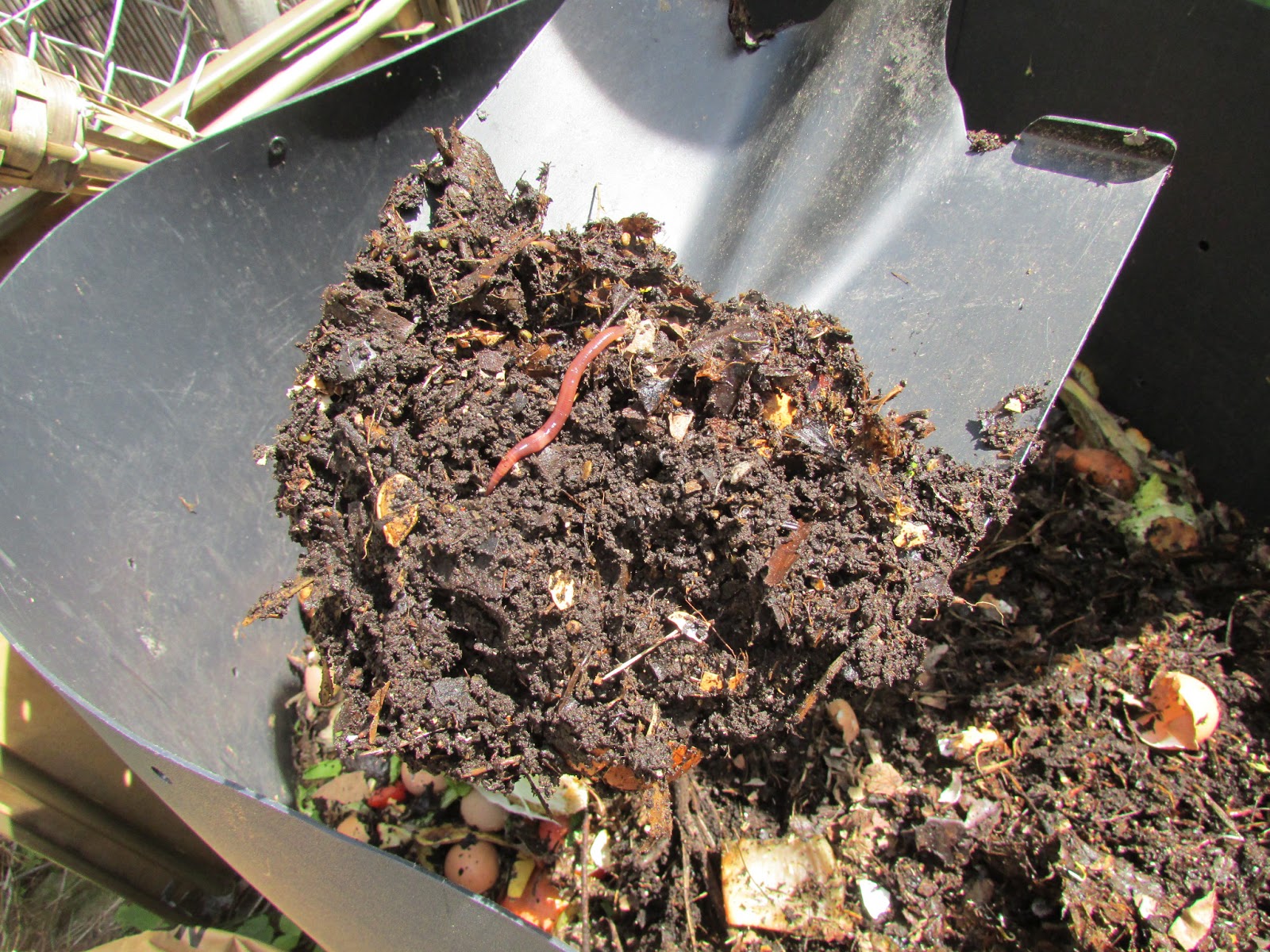
A community compost bin continues to be a source of nutrient rich soil.  Bagged up leaves are scooped up from curbside and used for brown matter in the compost.  The worms love their bin and help circulate and aerate the super fertile soil.


Vertical gardening is also shaping up in the garden of  Nash.  After covering pallets with burlap and filling with soil, strawberries and herbs will spill over for handy picking.  Succession planting is planned, and melons are starting their journey with vines along the garden boundary.

Nash and his friends came together for designing and digging, planting and participating in the fulfillment gardening brings...the fruits of their labor will be enjoyed throughout the summer, and probably well into their future gardening years.

We’ll visit the garden of Nash later in the season to see how it’s thriving..  The GenY’s are not only picking up the torch when it comes to sustainability, they are running with it.  

Happy DIY gardening!

~Peggy